

 Facebook
 X
X
 Pinterest
 Copy Link
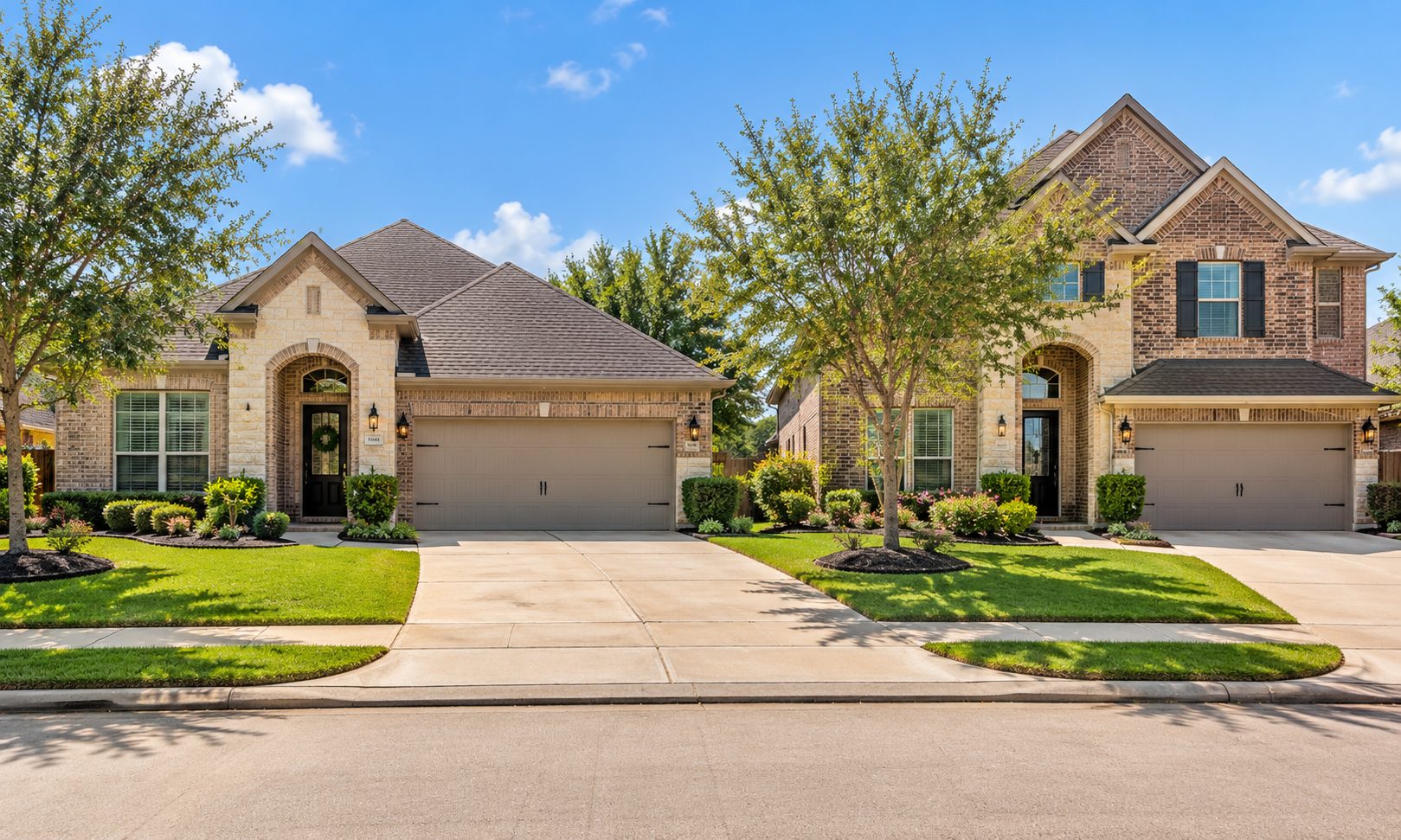
Why Did My Neighbor’s House Sell and Mine Didn’t?
Have you ever wondered, “Why did my neighbor’s house sell and mine didn’t?” Watching a home down the street go under contract while yours is still sitting on the market can be frustrating.
You may be thinking:
Their house sold. Mine is just as nice—maybe even nicer. So why didn’t the buyer choose mine?
It’s a fair question. But the answer isn’t always as simple as price, square footage or the number of bedrooms.
When I’m helping a seller understand why one home sold while another didn’t, I think it’s important to take off our seller hat for a moment and put on our buyer hat.
Because buyers may be comparing two homes very differently than we are.
1. Why Did My Neighbor’s House Sell? Are the Homes Really that Similar?
Two homes in the same neighborhood may look very similar on paper.
They may have the same number of bedrooms and bathrooms, similar square footage and even the same builder. But that doesn’t necessarily mean a buyer sees them as equal choices.
One may be a one-story while the other is a two-story. One may have larger bedrooms or a floor plan the buyer prefers. Maybe one has two separate garage doors instead of one. Even the exterior elevation of one home may simply appeal to them more.
Then there’s location within the neighborhood.
Does one home back to a busy road with traffic noise? Does one have power lines behind it? Back neighbors? No back neighbors? A larger or smaller lot?
And even those differences aren’t necessarily good or bad.
One buyer may dream about a large backyard. Another may look at that same yard and think about the additional maintenance and prefer something smaller.
Sometimes the difference between two homes simply comes down to what works better for that particular buyer.
2. What Can You Control—and What Can’t You?
We can’t change where a house sits.
We can’t move power lines, eliminate traffic behind the property or completely change a floor plan.
That’s why I believe it’s especially important to make sure the things we can control are working in our favor.
Paint, flooring, lighting, decluttering, appliances and overall presentation can all affect the way a buyer experiences a home.
Kitchens and bathrooms can be especially important. In my experience, many of today’s buyers place a high value on homes that feel move-in ready.
They may already be budgeting for closing costs, insurance, moving expenses and probably a few new things for the house. Taking on an immediate kitchen or bathroom project may not be something they want to add to the list.
That doesn’t mean every seller needs to remodel before putting a home on the market. It means we should look carefully at the home and decide which improvements or changes, if any, could make the biggest difference.
3. Did the Other Home Win the Buyer Online First?
Before most buyers ever walk through the front door, they’ve already seen the home online.
That makes presentation one of our starting points.
I pay particular attention to the first several listing photos because they have an important job: give the buyer a reason to keep looking.
A buyer may quickly confirm that the home has the four bedrooms, two-and-a-half baths, lot size or garage spaces they want. But at the same time, they’re deciding whether what they see makes them want to schedule a showing.
If another home grabs their attention first, we may never get the opportunity to show them everything that makes yours special.
That’s why professional photography, thoughtful presentation and the way we tell the story of the home matter.
For sellers who want to learn more about what goes into marketing a home, The National Association of REALTORS® also offers a helpful consumer guide on marketing your home.
4. Are We Pricing With the Market—or Chasing It?
A seller may look at the house down the street and say:
“If theirs sold for that much, mine should too.”
Maybe. But before reaching that conclusion, we need to dig deeper.
What was the square footage? One story or two? How did the lot compare? Was there a pool? Were the kitchen and bathrooms updated? What about the age of the roof, HVAC system and water heater? Did one property have features the other didn’t?
Price per square foot can be useful information too, particularly because some buyers are very analytical and will compare those numbers themselves.
But no single number tells us the whole story.
As your REALTOR®, part of my job is to look at the property through several sets of eyes—the seller’s, the buyer’s and ultimately the appraiser’s.
The goal is to price with the market from the beginning rather than spend weeks trying to chase it.
5. Are You Looking Outside the Gates?
This is something I think sellers can easily overlook.
When you live in a neighborhood, it’s natural to focus on what’s happening right around you.
Buyers may not.
We have to look outside the gates.
A buyer considering your home may also be looking half a mile, one mile or two miles away.
If they can drive a little farther and find a similar floor plan, comparable builder or another home that checks the same boxes for $30,000 less, that property may be competing with yours—even though it isn’t technically in your neighborhood.
This is why I continually watch not only what has sold, but what is currently available, what has reduced its price and what is going under contract.
The competition can change while your home is on the market.
6. Are We Reaching the Emotional Buyer AND the Analytical Buyer?
Not every buyer makes a decision the same way.
Some buyers walk into a home and immediately connect with it. They love the kitchen, imagine themselves entertaining in the backyard or can already picture their furniture in the family room.
Others want the numbers.
They may compare price per square foot, recent sales, property condition, major systems and what else their money can buy nearby.
And plenty of buyers are somewhere in between.
That’s why selling a home requires more than simply putting a sign in the yard and making the listing active in the MLS.
Presentation, pricing, exposure, showing feedback and changes in the market all matter.
We want the home positioned to appeal to the emotional buyer, the analytical buyer and everyone in between.
7. The Neighbor’s Situation May Be Different From Yours
There’s one more part of a sale that isn’t always obvious from the outside: the seller’s circumstances.
Two owners of nearly identical homes may have very different financial situations and motivations.
One seller may have substantial equity or own the home outright and simply be ready to move on. Another may be relocating for work and have certain benefits available through an employer. Someone else may need to reach a particular bottom line.
Those circumstances don’t necessarily determine what a home is worth, but they can affect the decisions a seller is willing or able to make during a transaction.
That’s one reason looking only at a neighbor’s final sold price doesn’t always tell the entire story.
So Why Did Their House Sell and Yours Didn’t?
It may not be one thing.
It could be the lot. The floor plan. The backyard. The updates. The presentation. The photography. The price. The competition. The seller’s motivation.
Or it could be several small differences that caused one particular buyer to choose one home over another.
If your home has been sitting longer than you expected, I wouldn’t automatically assume that something is “wrong” with it.
Instead, I’d look at the whole picture.
What can we change? What can’t we change? What are buyers responding to? What else can they buy nearby? And what is the market telling us now that we didn’t know when the home was first listed?
If you’re asking some of those questions yourself, I recently wrote about 7 things to look at when your Katy home isn’t selling.
And if your home is currently listed, start by having that conversation with your agent. The information coming from the market can help determine what, if anything, needs to change.
Because sometimes the house down the street doesn’t have to be better. It simply has to be the better choice for that buyer.


